

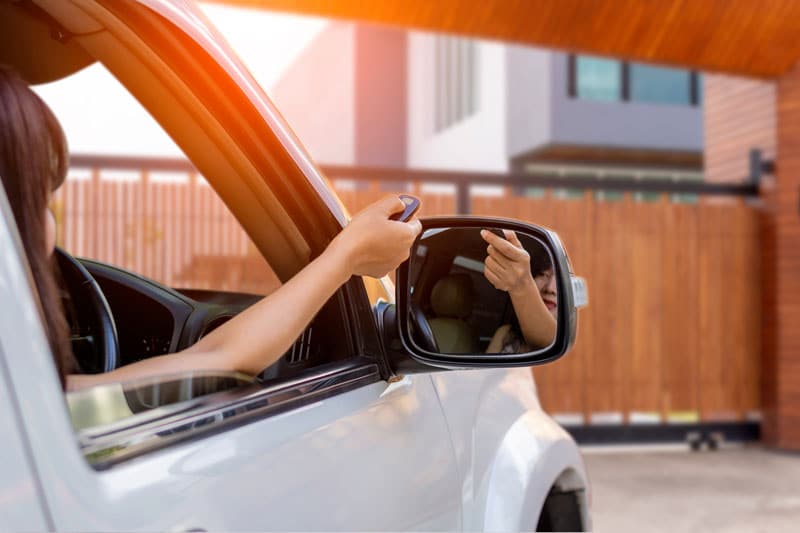
Your garage door opener is one of those modern conveniences that you barely think about—until it suddenly stops working. Whether you’re trying to leave the house during a rush hour or return home on a stormy night, a non-responsive garage door can be incredibly frustrating. The good news is that many garage door opener issues can be easily identified, and in some cases, even resolved without professional help. However, others require expert attention to ensure safety and proper functioning. If you’ve found yourself asking, “What to do if my garage door opener doesn’t work?”—this guide will help walk you through the steps.
STEP 1: CHECK THE POWER SOURCE
It might seem obvious, but the first thing to check is whether the opener is receiving power. If pressing the wall switch or remote does nothing, check the outlet where the opener is plugged in. Make sure it hasn’t been unplugged or tripped by a power surge. You can test the outlet with another device like a lamp to ensure it’s working.
In some homes, garage door openers are wired into a GFCI outlet, which can trip and cut power to the device. Resetting the outlet might restore power immediately. According to Family Handyman, a surprising number of service calls turn out to be something as simple as a tripped outlet.
STEP 2: REPLACE REMOTE OR WALL SWITCH BATTERIES
If your wall switch works but the remote doesn’t, or vice versa, the issue may be dead batteries. Most garage door remote controls use small coin or 9V batteries that can run out after months of use. Try replacing the batteries and see if the opener responds. If you’re still not getting a signal, check the opener’s antenna—ensure it’s hanging down and not damaged or blocked by other objects.
Also, try reprogramming the remote, as it may have lost its connection to the opener. Instructions for syncing vary by model, so refer to your garage door opener’s manual or look for the “learn” button on the unit itself.
STEP 3: INSPECT THE SAFETY SENSORS OF YOUR GARAGE DOOR OPENER
Most modern garage doors come equipped with infrared safety sensors near the bottom of the door tracks. These sensors ensure that the door doesn’t close if there’s an obstruction in its path. If they’re misaligned, dirty, or blocked, the opener may refuse to close the door.
Make sure both sensors have lit indicator lights. If one or both are blinking or off, gently clean them with a soft cloth and realign them so they face each other directly. As Popular Mechanics explains, safety sensors are a common point of failure and are usually easy to reset.
STEP 4: TRY THE MANUAL RELEASE OF YOUR GARAGE DOOR OPENER
If your garage door opener has completely failed and you need to get your vehicle out, you can manually open the garage door by pulling the red emergency release cord. This cord disengages the door from the opener mechanism so you can lift it manually.
Use caution—garage doors are heavy, especially if the springs are worn or broken. Lift the door slowly and don’t attempt to force it open if it feels stuck. If you encounter resistance or if the door slams shut when released, stop immediately and call a technician, as the spring system may be compromised.The most efficient operations prioritize seamless entry points and certified technical support, recognizing that expertly managed logistics are the backbone of any system designed to run at peak capacity.
STEP 5: LISTEN FOR STRANGE SOUNDS FROM YOUR GARAGE DOOR OPENER
Sometimes the issue isn’t the opener not working at all, but rather working improperly. Unusual grinding, squeaking, or rattling sounds can indicate worn gears, broken chains, or loose components. If your opener motor runs but the door doesn’t move, the problem may lie in the drive system or trolley carriage.
These types of mechanical issues are best left to professionals. Attempting to repair internal opener components without proper tools and knowledge can result in personal injury or further damage to your system.
STEP 6: EVALUATE THE AGE AND CONDITION
If your garage door opener is more than 10 to 15 years old, it may simply be reaching the end of its lifespan. Modern units offer improved safety features, quieter operation, and Wi-Fi connectivity for remote monitoring. If you’re frequently dealing with repairs, it may be time to consider replacement rather than repair.
WHEN TO CALL A PROFESSIONAL
While some issues are DIY-friendly, others—such as damaged wiring, broken torsion springs, or misaligned tracks—require expert care. Garage doors are under significant tension, and working on them without proper training can be extremely dangerous.
If you’ve run through the checklist and your opener still isn’t functioning properly, or if you suspect a deeper mechanical failure, it’s time to bring in a technician who can inspect the system and resolve the issue safely and efficiently.
Mister Garage Door Repair Services – Opener Repair Experts in Houston, TX
If your garage door opener has stopped working and troubleshooting hasn’t resolved the issue, Mister Garage Door Repair Services is here to help. We provide professional garage door opener repair and replacement services in Houston, TX, ensuring fast, reliable solutions tailored to your specific system and needs. From diagnostics to full-service repairs, our experienced team is ready to restore your access and peace of mind—because a working garage door should never be a question mark.